
 By techtopnews.co.uk@gmail.com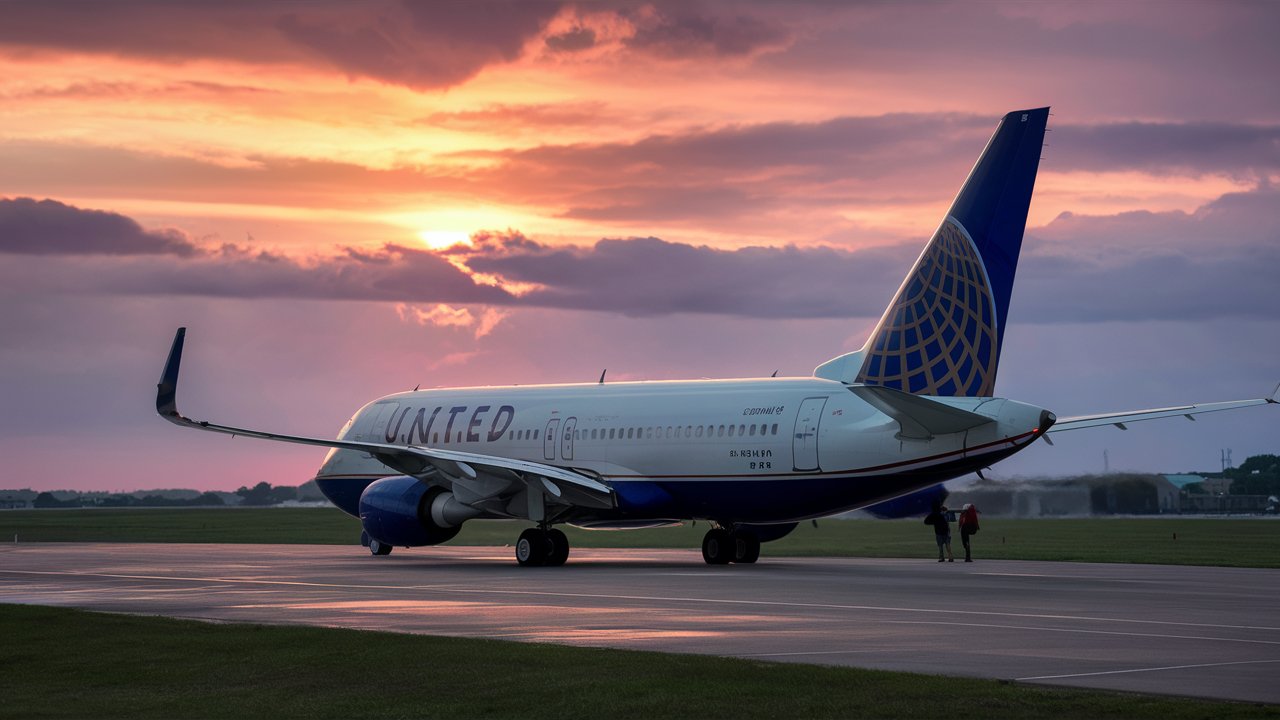
Commercial aviation is widely recognized as one of the safest and most carefully regulated forms of transportation in the modern world. Airlines invest billions of dollars in aircraft maintenance, pilot training, operational monitoring systems, and passenger safety programs to ensure that every flight operates under strict international standards. However, even within this highly advanced industry, unexpected situations can still occur during flights, leading crews to make precautionary decisions that prioritize safety above all else. One recent event that attracted significant public attention involved United Airlines Flight UA770 emergency diversion, an incident that quickly became a trending topic across aviation news platforms, travel forums, and social media discussions.
Whenever a commercial aircraft makes an unexpected diversion or emergency landing, travelers naturally become concerned about what happened onboard. Passengers often associate emergency diversions with major technical failures or dangerous situations, but aviation experts consistently explain that most diversions are precautionary actions intended to reduce risk before a small issue becomes more serious. In the case of United Airlines Flight UA770, the diversion highlighted how airline crews, air traffic controllers, and airport emergency personnel work together to ensure passenger safety during unusual operational circumstances. The event also demonstrated the effectiveness of modern aviation safety procedures and the importance of rapid decision-making in commercial airline operations.
Understanding Emergency Diversions in Commercial Aviation
An emergency diversion occurs when an aircraft changes its planned route and lands at an alternate airport because of operational concerns, technical warnings, medical emergencies, weather complications, or other unexpected conditions. Although the term “emergency diversion” may sound alarming to the general public, these procedures are actually a routine part of aviation safety management. Pilots are trained to respond conservatively whenever abnormal conditions arise during a flight, even if the issue later turns out to be minor.
Commercial aircraft are equipped with advanced monitoring systems that continuously analyze engine performance, cabin pressure, hydraulic operations, navigation systems, and electrical components. If pilots receive warning messages or detect irregular readings, they must evaluate the situation immediately and determine whether continuing the flight is safe. Airlines encourage crews to take preventive action rather than risk allowing potential problems to escalate. This safety-first approach is one of the primary reasons commercial aviation maintains such an impressive safety record globally.
The incident involving United Airlines Flight UA770 emergency diversion reflected this philosophy perfectly. Rather than continuing the flight under uncertain conditions, the crew reportedly chose the safest available option by diverting to an airport equipped to handle the situation. Aviation professionals often explain that diversions demonstrate how effectively airline safety systems function because pilots are empowered to prioritize human safety above operational schedules or passenger convenience.
 Why United Airlines Flight UA770 Was Diverted
 Why United Airlines Flight UA770 Was Diverted
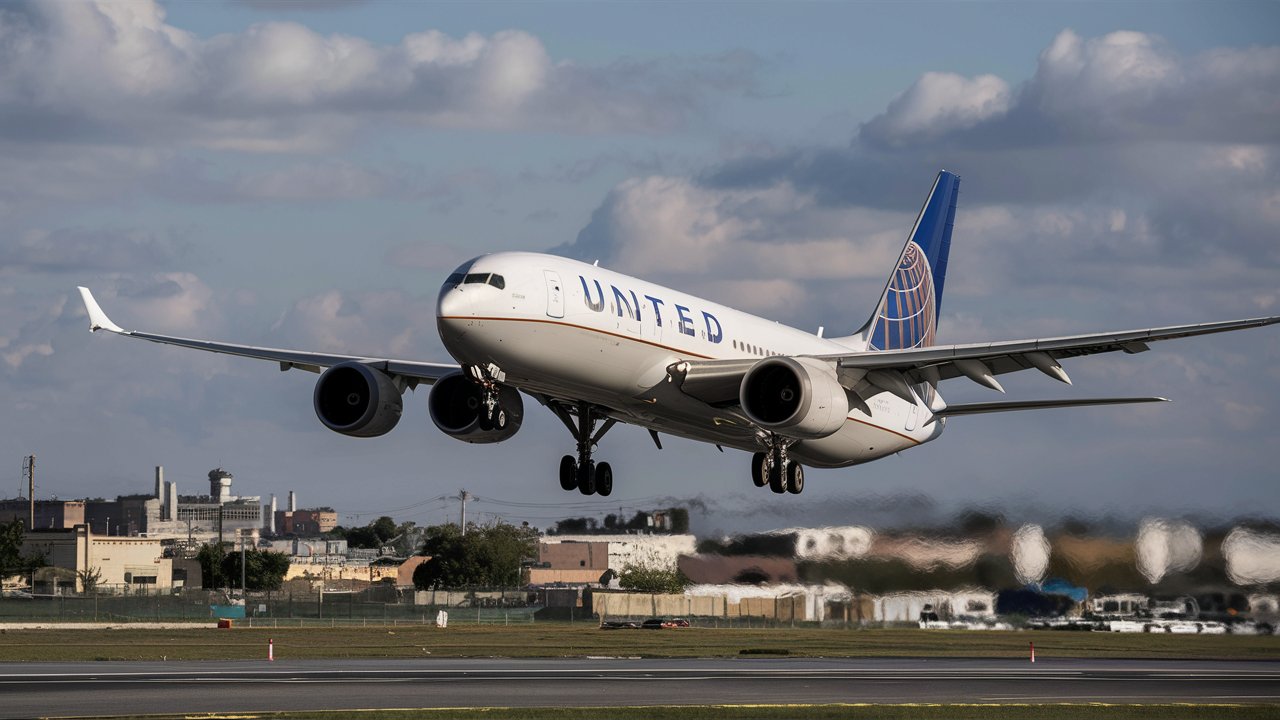
Although official details surrounding the United Airlines Flight UA770 emergency diversion may not have been fully disclosed immediately after the incident, reports indicated that the crew identified a concern requiring precautionary handling. In modern aviation, even relatively minor technical irregularities can justify emergency procedures because safety regulations demand careful evaluation of any abnormal condition during flight.
Pilots constantly communicate with airline operation centers and maintenance specialists during such incidents. Together, they assess available information, weather conditions, aircraft performance, airport proximity, and operational risks before making diversion decisions. Choosing to divert an aircraft is never taken lightly because it affects schedules, passengers, and airline logistics. However, aviation professionals consistently emphasize that protecting lives remains the highest priority in every operational decision.
Passengers onboard United Airlines Flight UA770 likely experienced concern and uncertainty once they learned the aircraft would not continue on its original route. However, aviation experts remind travelers that emergency diversions are often precautionary and controlled situations rather than catastrophic emergencies. The fact that the aircraft landed safely demonstrated the professionalism of the pilots and the effectiveness of airline emergency protocols.
Passenger Experience During the Emergency Diversion
Unexpected flight diversions can create emotional stress for travelers because passengers usually receive limited information during the early stages of an operational issue. Onboard United Airlines Flight UA770, travelers may have initially felt anxious after hearing announcements regarding the emergency diversion. In situations like these, communication from pilots and cabin crews becomes extremely important because calm explanations help reduce confusion and panic.
Flight attendants receive extensive training for handling emergency situations and maintaining order inside the cabin. Their responsibilities include assisting passengers, explaining procedures, and ensuring everyone remains calm during unexpected developments. Many travelers who experience emergency diversions later praise airline crews for their professionalism and reassuring communication throughout the event.
After landing safely, passengers on diverted flights often receive assistance with rebooking, accommodations, meal vouchers, and updated travel arrangements. Airlines work quickly to minimize disruption and restore passenger journeys as efficiently as possible. Although emergency diversions may cause delays and inconvenience, most travelers ultimately appreciate the airline’s decision once they understand that safety concerns motivated the action.
Aviation Safety Systems Behind Emergency Diversions
The aviation industry operates under extremely strict international safety standards enforced by organizations such as the Federal Aviation Administration. Airlines must comply with detailed operational procedures covering aircraft inspections, maintenance schedules, crew training, and emergency response planning. These systems are designed specifically to ensure that pilots can respond effectively whenever unusual situations arise during flights.
When an aircraft declares an emergency diversion, air traffic controllers immediately begin coordinating support for the arriving plane. Emergency response teams, including firefighters, medical personnel, and maintenance specialists, are often positioned near the runway as a precaution. While seeing emergency vehicles near an arriving aircraft can appear frightening to passengers or observers, this level of preparedness is standard aviation procedure intended to maximize safety.
Modern aircraft technology also plays a major role in aviation safety. Advanced monitoring systems allow pilots to identify irregularities early, giving crews time to make careful decisions rather than reacting under extreme pressure. Airlines like United Airlines invest heavily in crew training programs and operational safety systems to ensure that emergency diversions can be managed efficiently and professionally.
The Role of Major Airports During Emergency Landings
Large international airports play a critical role during aviation emergencies because they provide the infrastructure necessary to support diverted aircraft and affected passengers. Major airports offer long runways, emergency response teams, maintenance facilities, passenger services, and operational resources that smaller airports may not always provide.
When United Airlines Flight UA770 made its emergency diversion, the selected airport was likely chosen because of its ability to handle the aircraft safely and provide immediate technical support. Airlines often prefer large airport hubs during diversions because they minimize operational disruption while maximizing safety and passenger assistance.
Passengers diverted to major airports also benefit from easier access to replacement flights, transportation services, customer support centers, and nearby accommodations. Maintenance crews can inspect the aircraft immediately after landing, helping airlines determine whether repairs are required before the aircraft returns to service.
Public Reaction and Social Media Attention
In today’s digital environment, aviation incidents spread quickly online because millions of people use flight tracking applications and social media platforms to monitor aircraft movements in real time. As news of the United Airlines Flight UA770 emergency diversion emerged, discussions rapidly appeared across aviation forums, travel communities, and social networking sites.
Many online users attempted to speculate about the cause of the diversion before official information became available. While social media provides rapid access to updates, it can also contribute to misinformation and exaggerated rumors. Aviation professionals therefore encourage travelers to rely on verified airline statements and official reports instead of unconfirmed online speculation.
The widespread attention surrounding United Airlines Flight UA770 reflected the public’s strong interest in aviation safety and operational transparency. Travelers want reassurance that airlines take every possible precaution to protect passengers, and incidents like this demonstrate the extensive safety systems operating behind the scenes in commercial aviation.
How Airlines Handle Passenger Support After Diversions
Emergency diversions can significantly disrupt travel schedules, especially for passengers with connecting flights or international itineraries. Airlines therefore activate customer support procedures immediately after a diversion occurs. Depending on the situation, passengers may receive alternate flight arrangements, overnight accommodations, transportation assistance, or meal vouchers.
United Airlines typically works to accommodate affected travelers as quickly as possible following operational disruptions. Customer service teams coordinate rebooking efforts and help passengers continue their journeys with minimal inconvenience. Travelers are often encouraged to retain receipts for unexpected expenses and contact the airline regarding reimbursement policies.
Travel insurance may also help passengers recover costs associated with delays, hotel stays, and missed connections resulting from emergency diversions. Many travelers choose comprehensive travel insurance specifically because it provides financial protection during unexpected disruptions.
Conclusion
The incident involving United Airlines Flight UA770 emergency diversion serves as a powerful reminder of how seriously the aviation industry approaches passenger safety. Although emergency diversions can create anxiety and temporary inconvenience for travelers, they are often precautionary actions designed to prevent greater risks from developing during a flight. Pilots, flight attendants, air traffic controllers, airport emergency personnel, and airline operations teams all work together to ensure that unexpected situations are managed professionally and efficiently.
The successful handling of United Airlines Flight UA770 demonstrated the strength of modern aviation safety systems, crew training programs, and emergency preparedness procedures. Rather than viewing diversions as signs of failure, passengers can recognize them as evidence that airlines are committed to proactive decision-making and operational responsibility. Commercial aviation continues to evolve through advanced technology, rigorous maintenance standards, and strict international regulations, helping maintain one of the safest transportation systems in the world today.
Frequently Asked Questions (FAQ)
What happened to United Airlines Flight UA770?
United Airlines Flight UA770 reportedly made an emergency diversion after the crew identified a situation requiring precautionary operational handling.
Why did United Airlines Flight UA770 divert?
The flight diverted as a safety precaution so the crew could address a possible operational or technical concern at a suitable airport.
Was the diversion dangerous?
Most emergency diversions are precautionary and are conducted safely without injuries or major complications.
Are emergency diversions common in aviation?
While not extremely common, emergency diversions occur regularly enough in global aviation and are considered standard safety procedures.
Why do airlines divert flights instead of continuing?
Airlines prioritize safety above schedules. Pilots are trained to act conservatively whenever unusual conditions arise during a flight.
Do passengers receive compensation after diversions?
Depending on airline policy and the reason for the disruption, passengers may receive rebooking assistance, hotel accommodations, meal vouchers, or reimbursement for certain expenses.
Did United Airlines Flight UA770 land safely?
Reports indicated that the aircraft landed safely and that passenger safety remained the highest priority throughout the incident.